01
Two-stroke basics
How a two-stroke engine works and how to improve it.
Two-stroke engine research and development
From the CAD drawing to the casting in iron or aluminum, all the way to the dyno run.
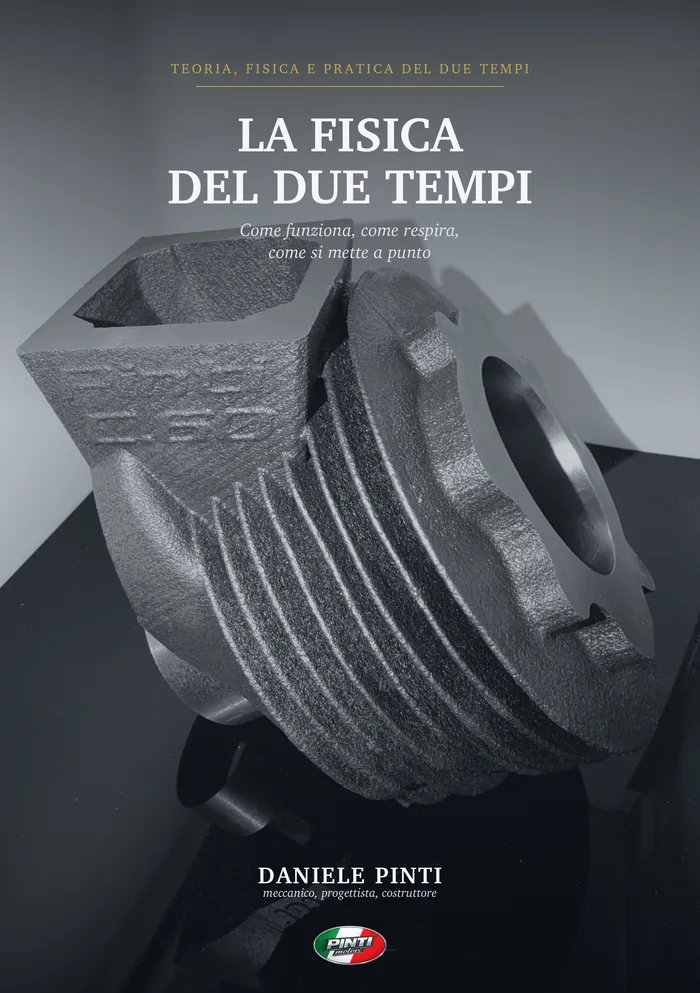
The book
How it works, how it breathes, how to tune it
English edition coming soon.
Thirty years of workshop, foundry and dyno in one technical manual: expansion chambers, port timing and time-area, jetting, ignition advance, squish, detonation, reed valves, cylinder casting and dyno testing, with real curves from the Pinti Motori archive.
490 pages · 102 technical figures · 53 photographs
New · coming soon
Thirty years in the workshop, explained with method.
The reason behind every choice, backed by dyno numbers.
01
How a two-stroke engine works and how to improve it.
02
In-depth mechanics, tuning and dyno testing.
03
From CAD design to the finished engine.
Dates and programme in preparation. Leave your contact and I'll let you know: no obligation.
My work
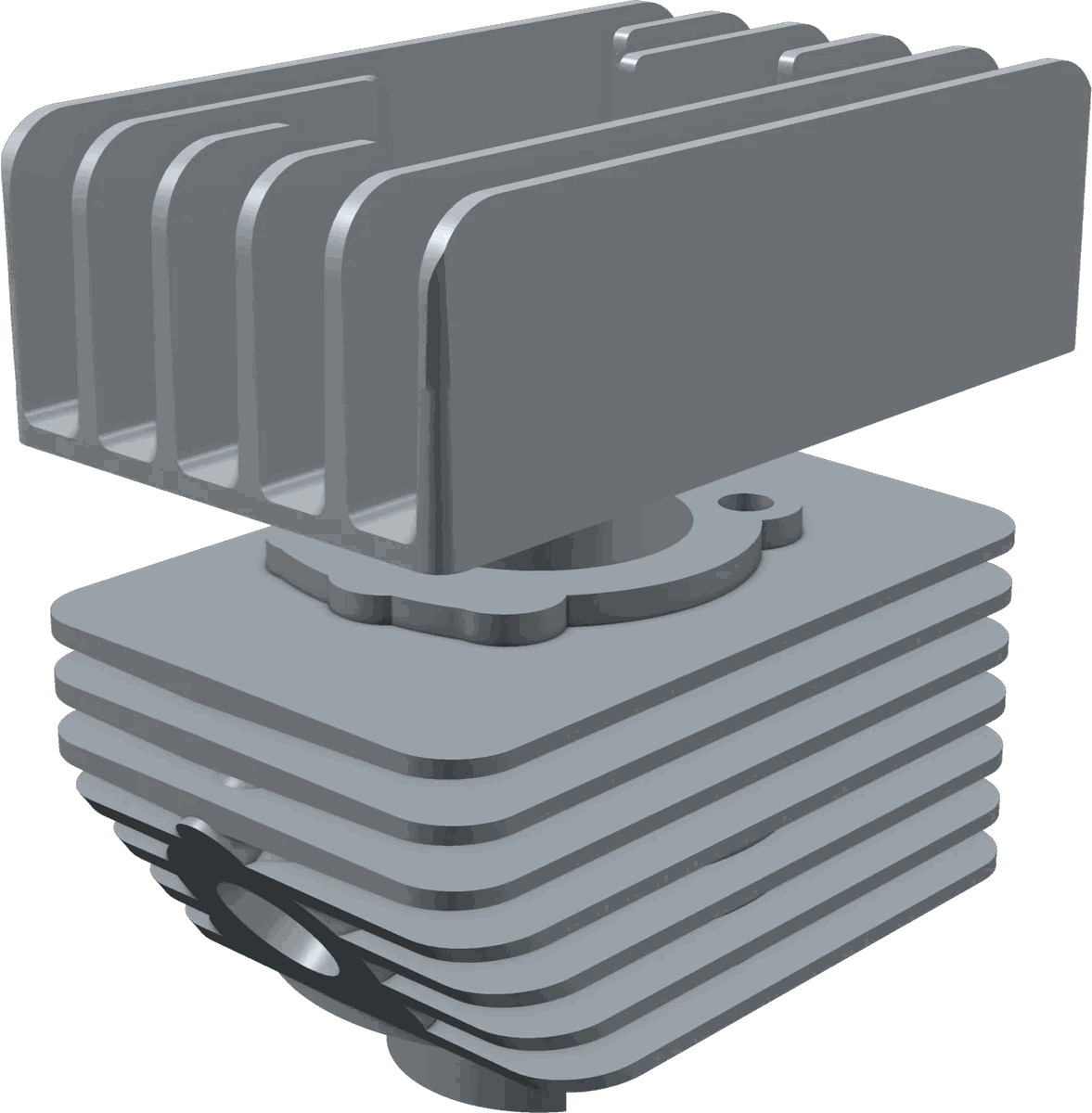
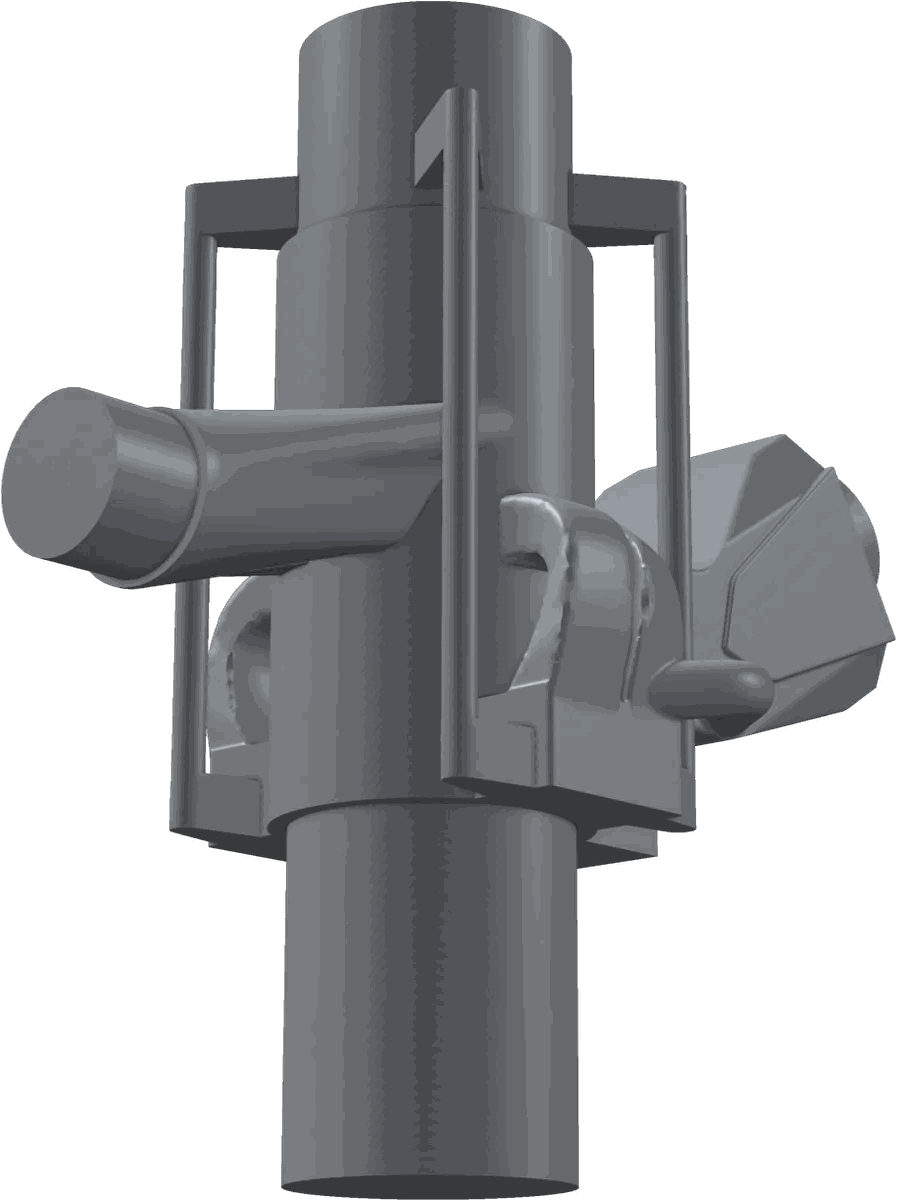
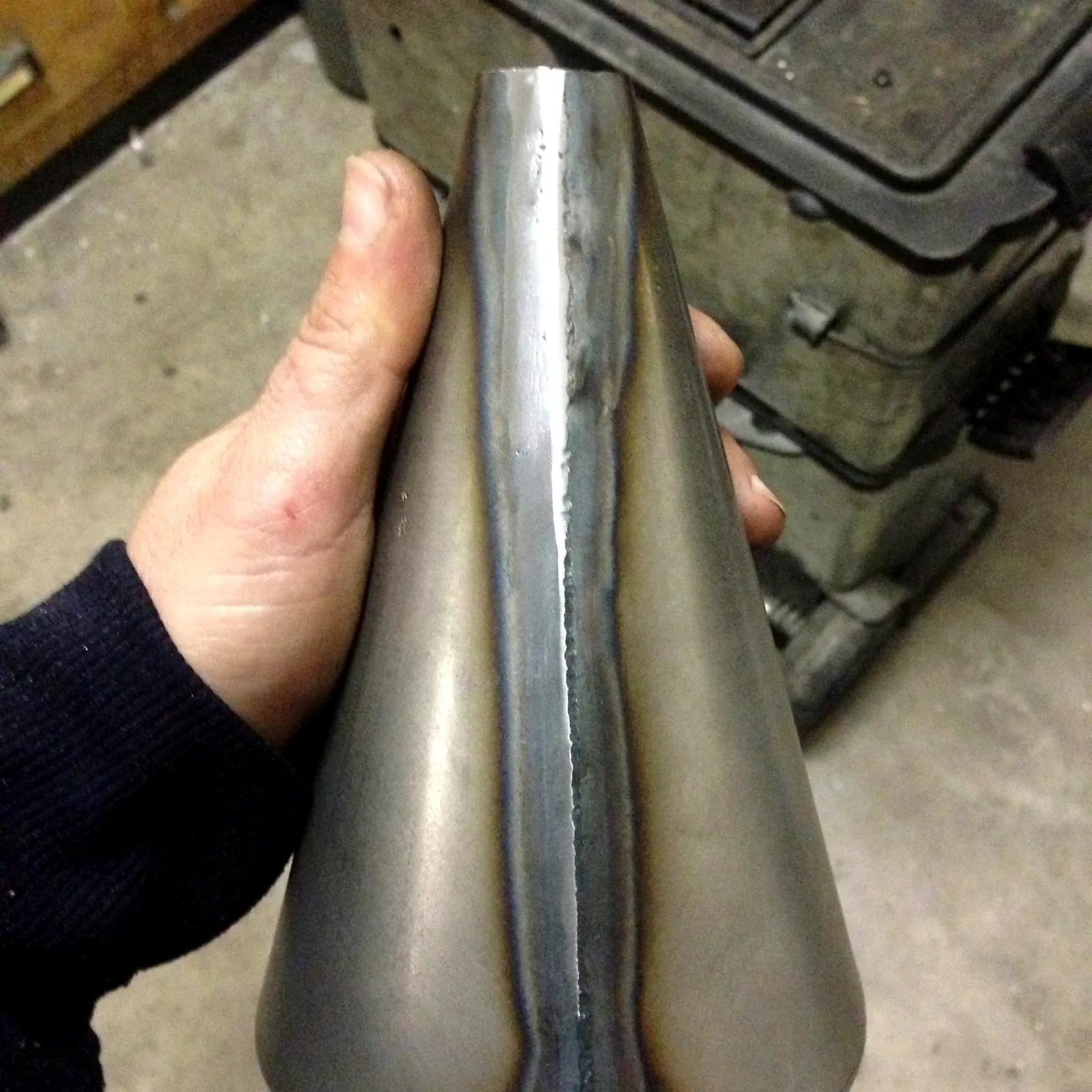
How an engine is born: from the drawing to CAD to the casting, all the way to the dyno.
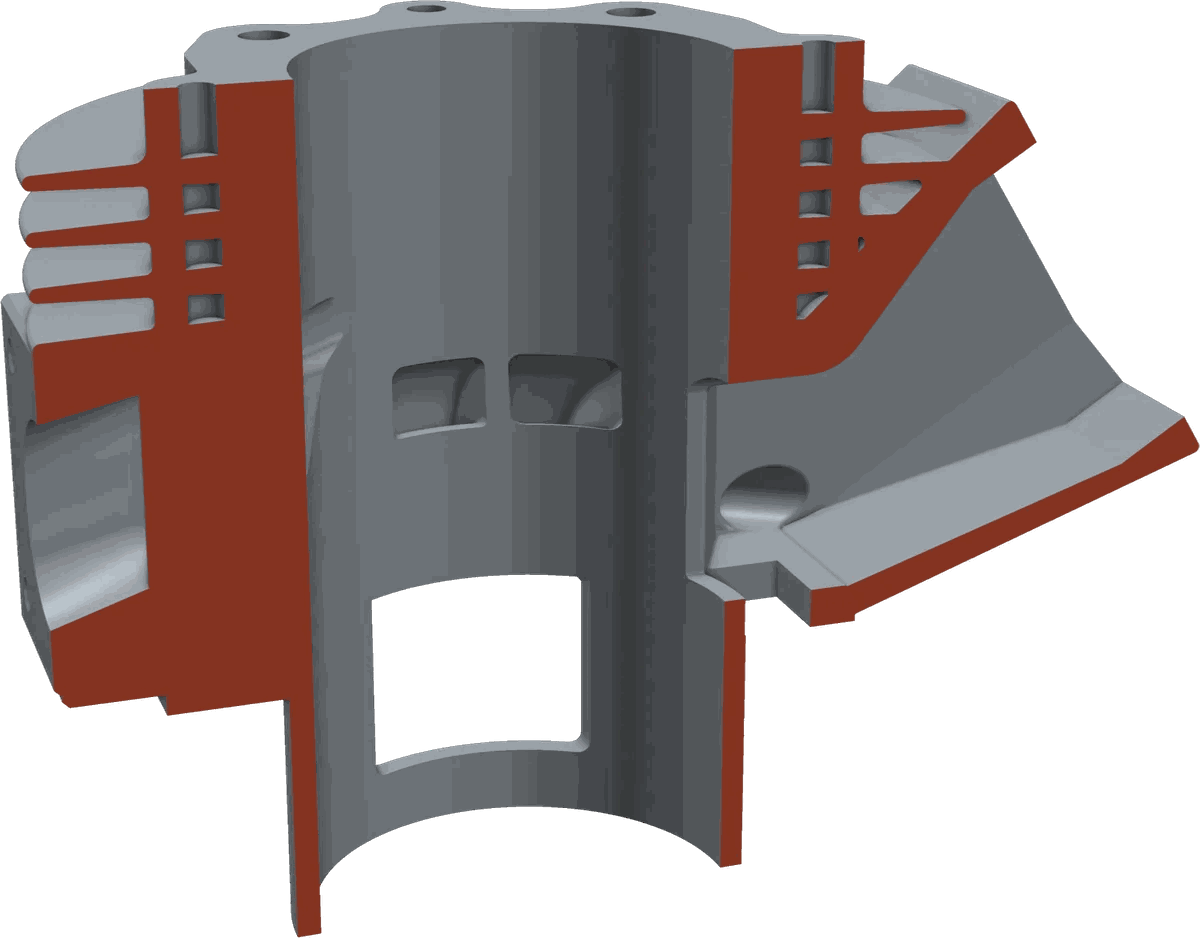
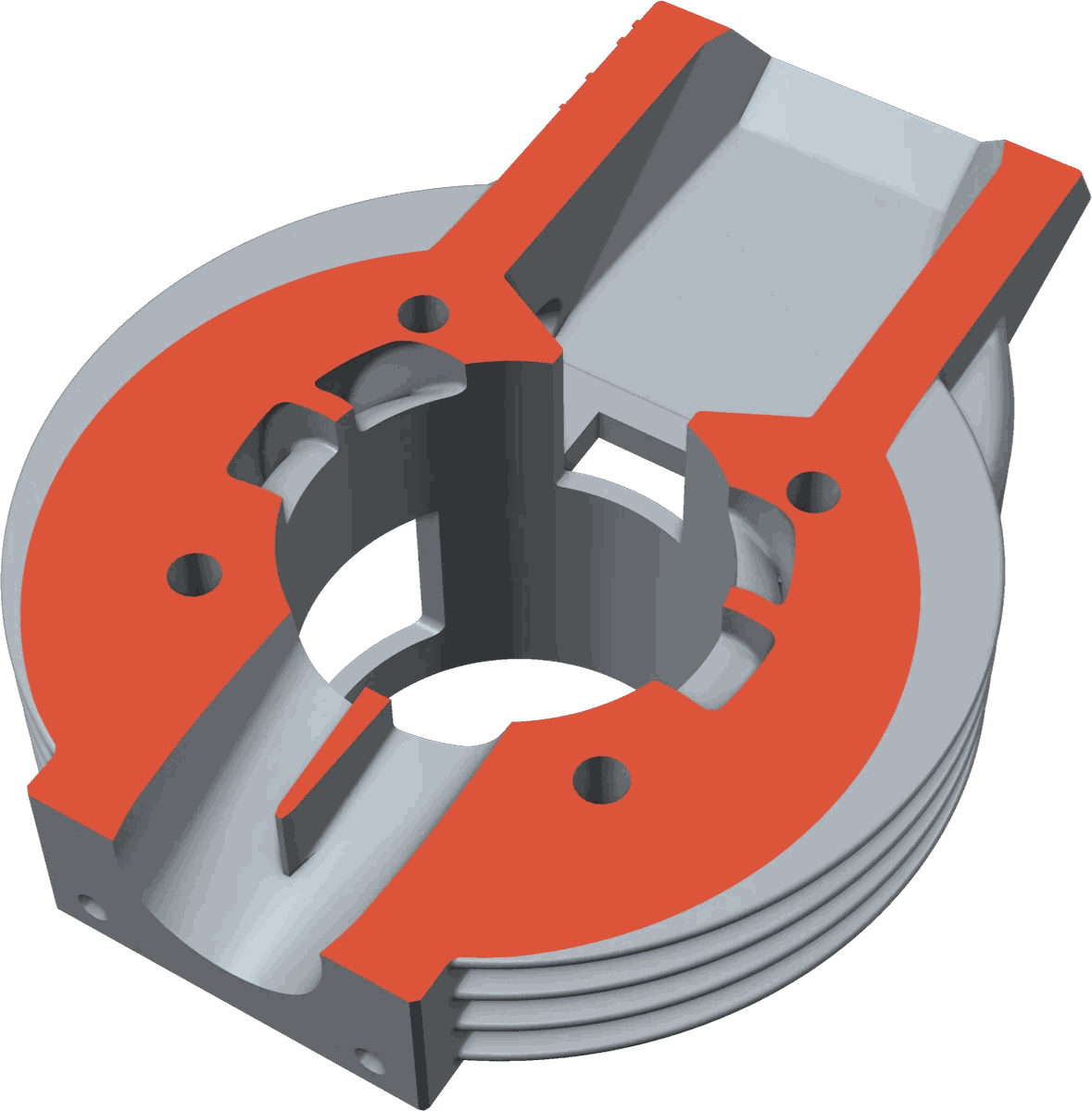
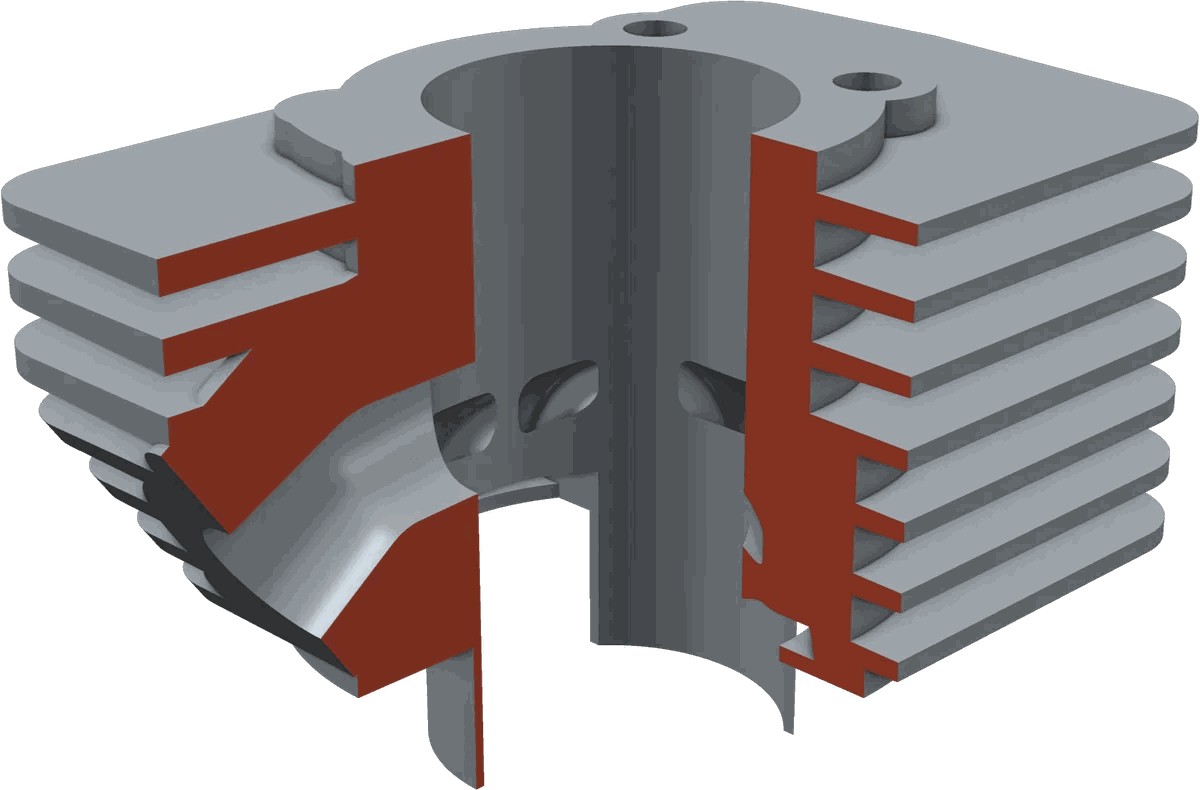
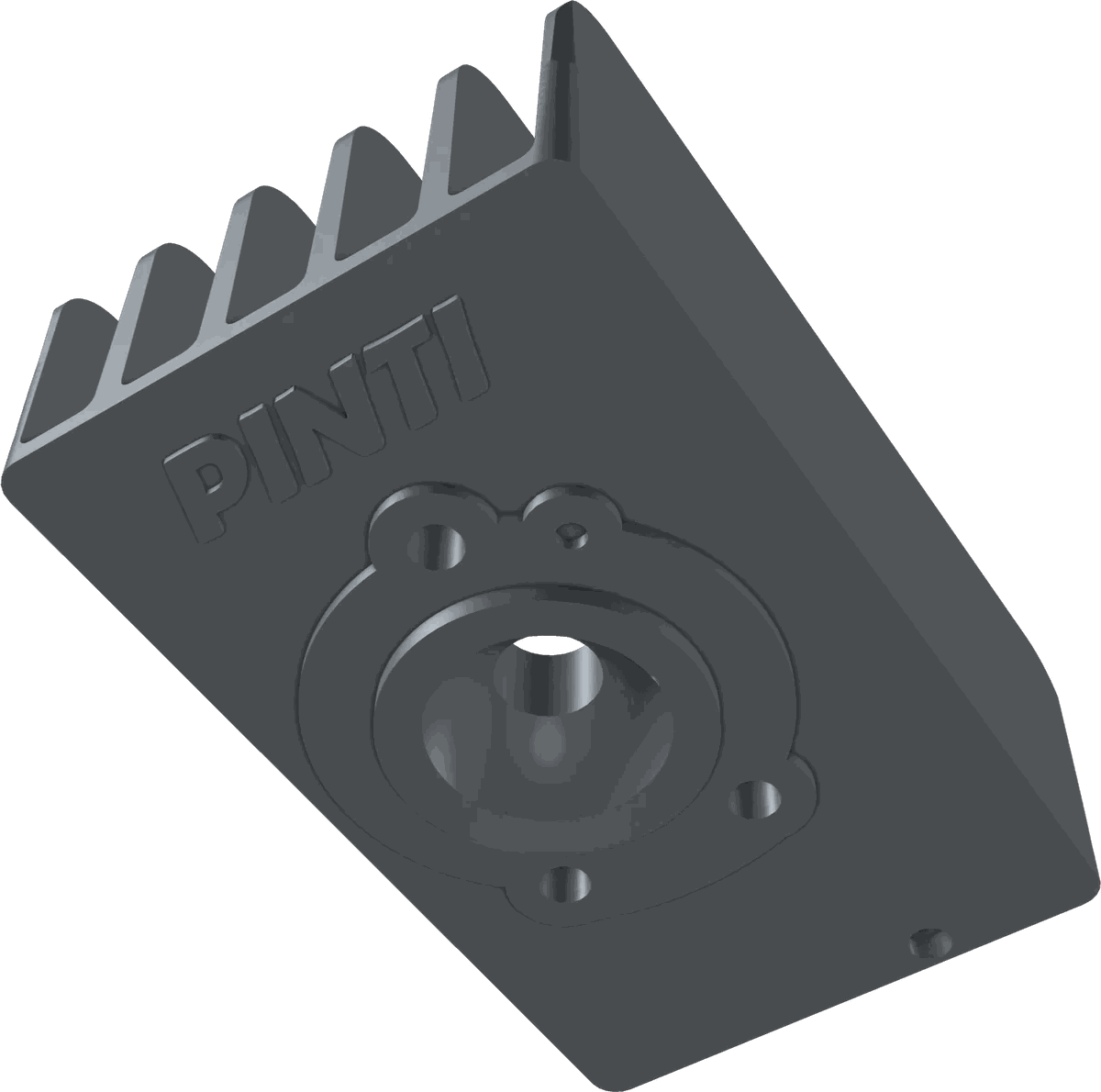
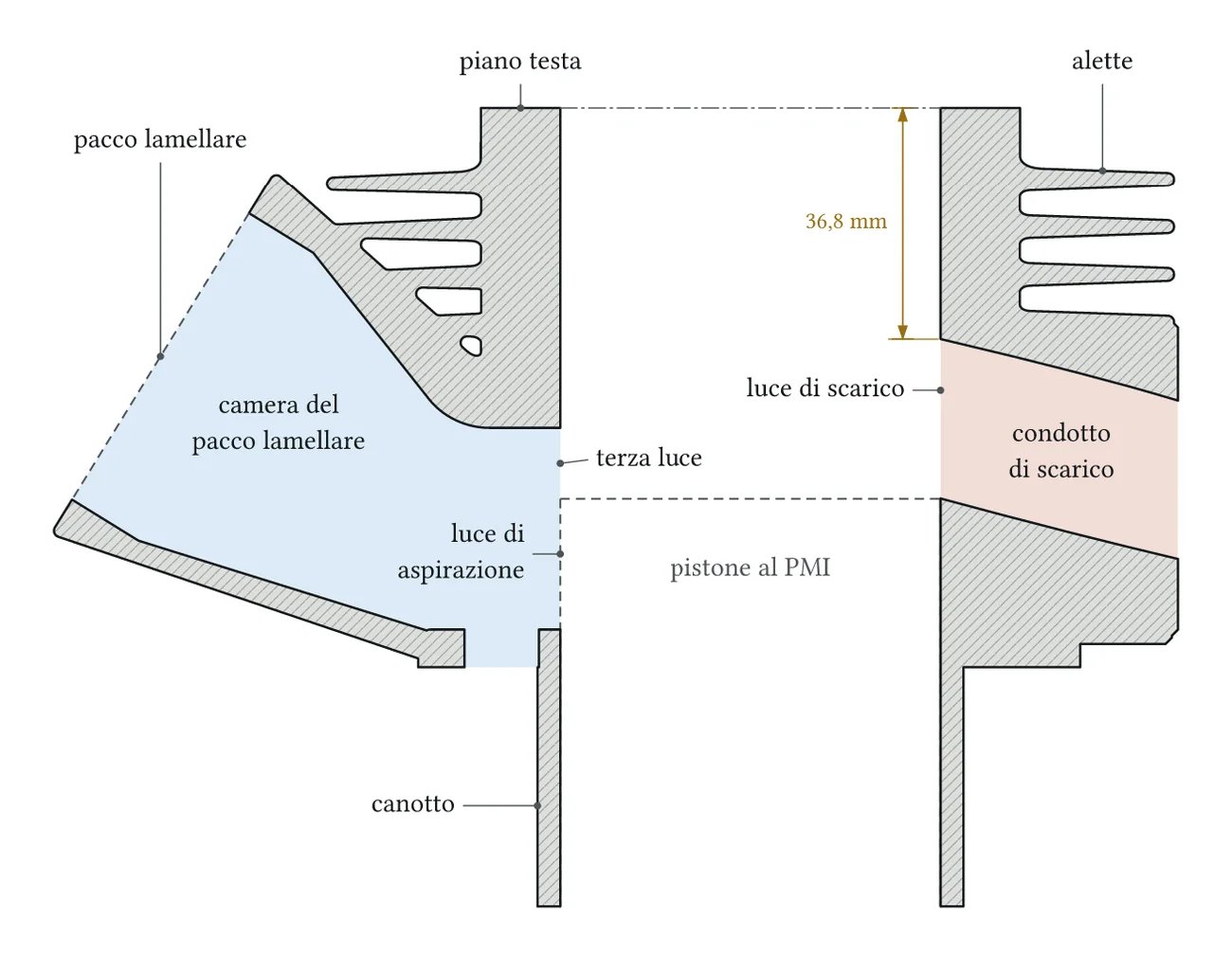
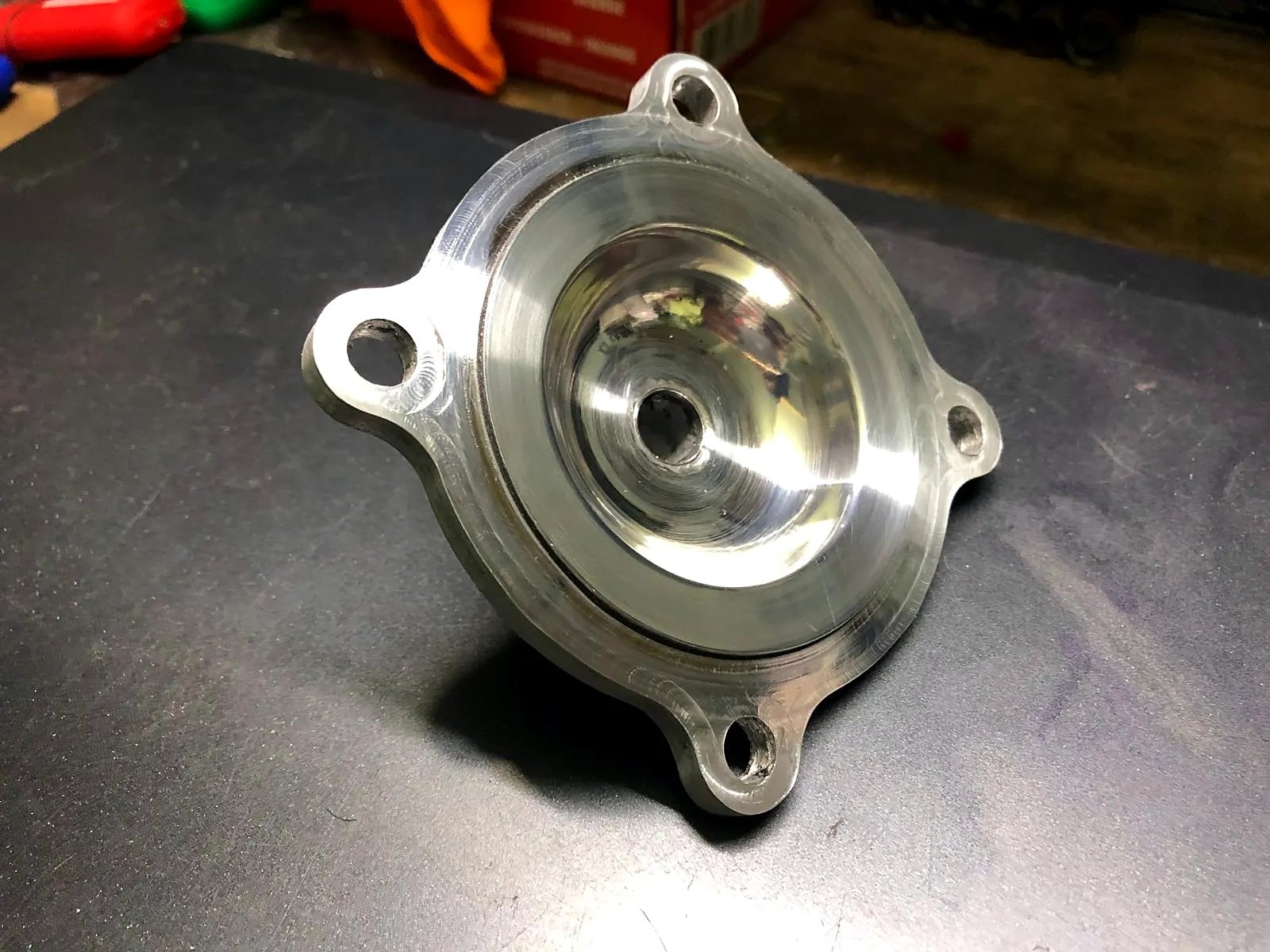
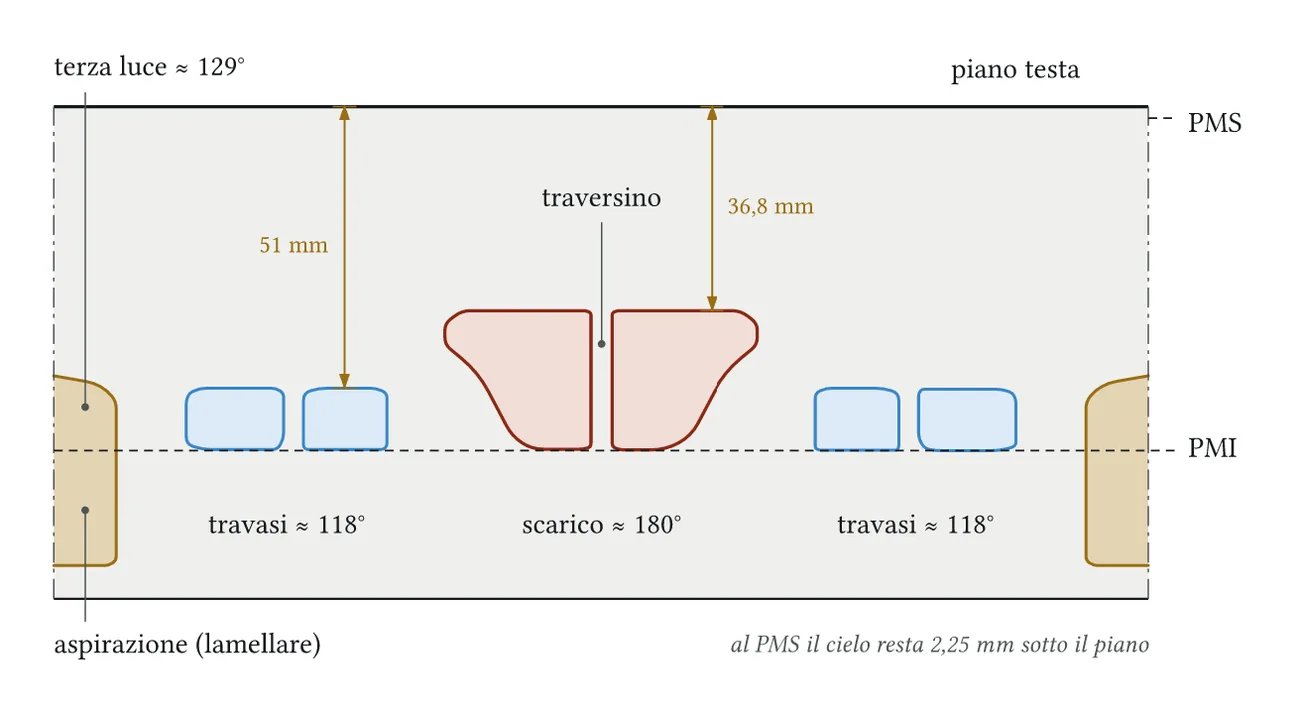
Cylinders, ports, transfers, exhausts and cylinder heads drawn from scratch, with port timing and port areas worked out for how the engine will be used.
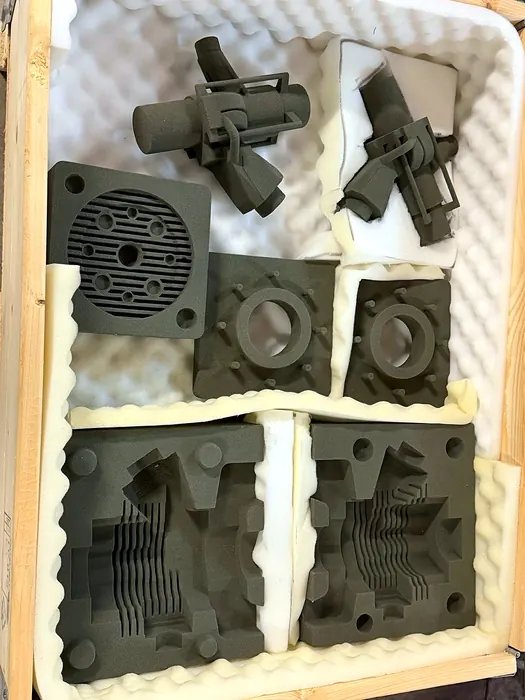
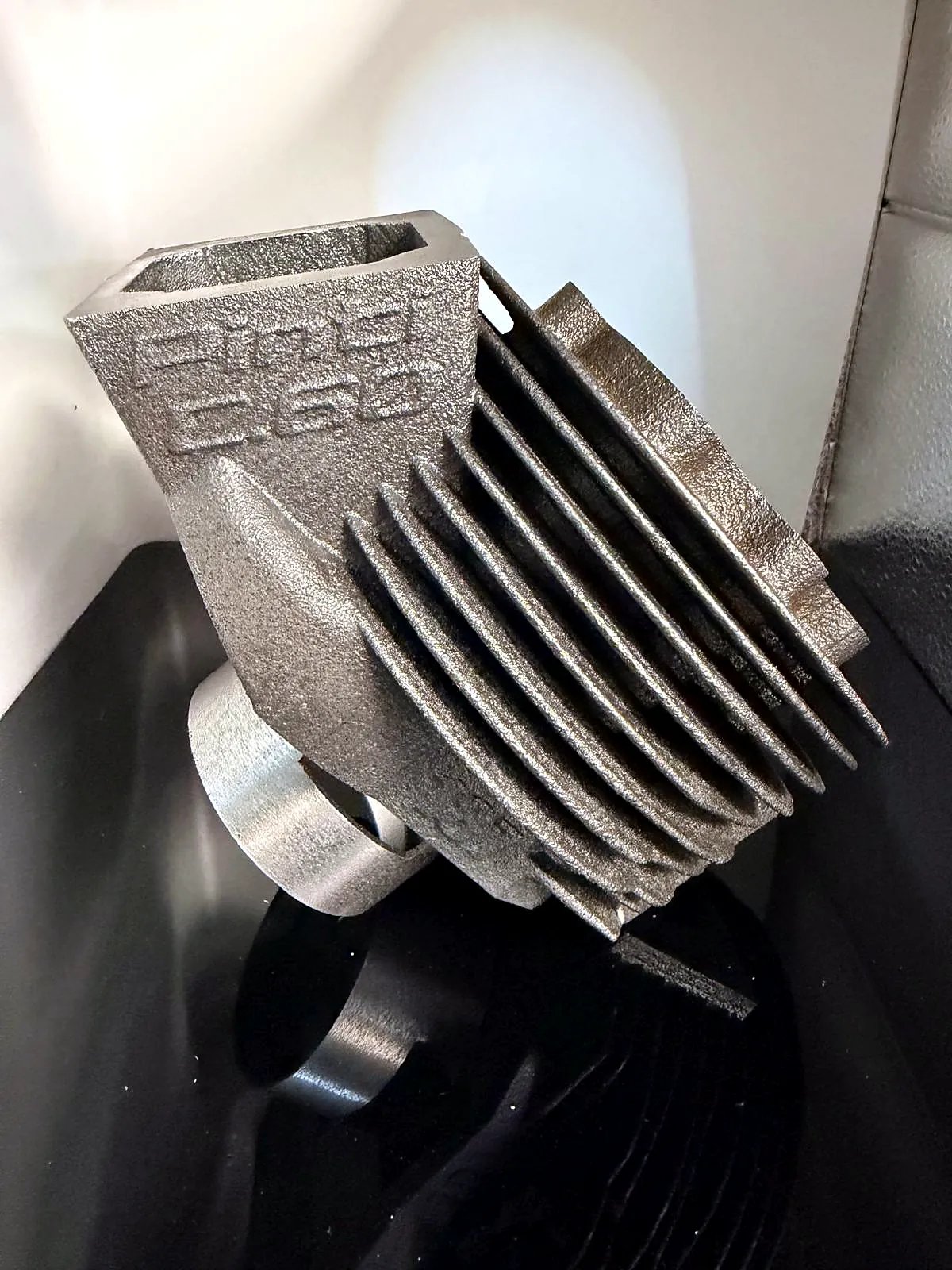
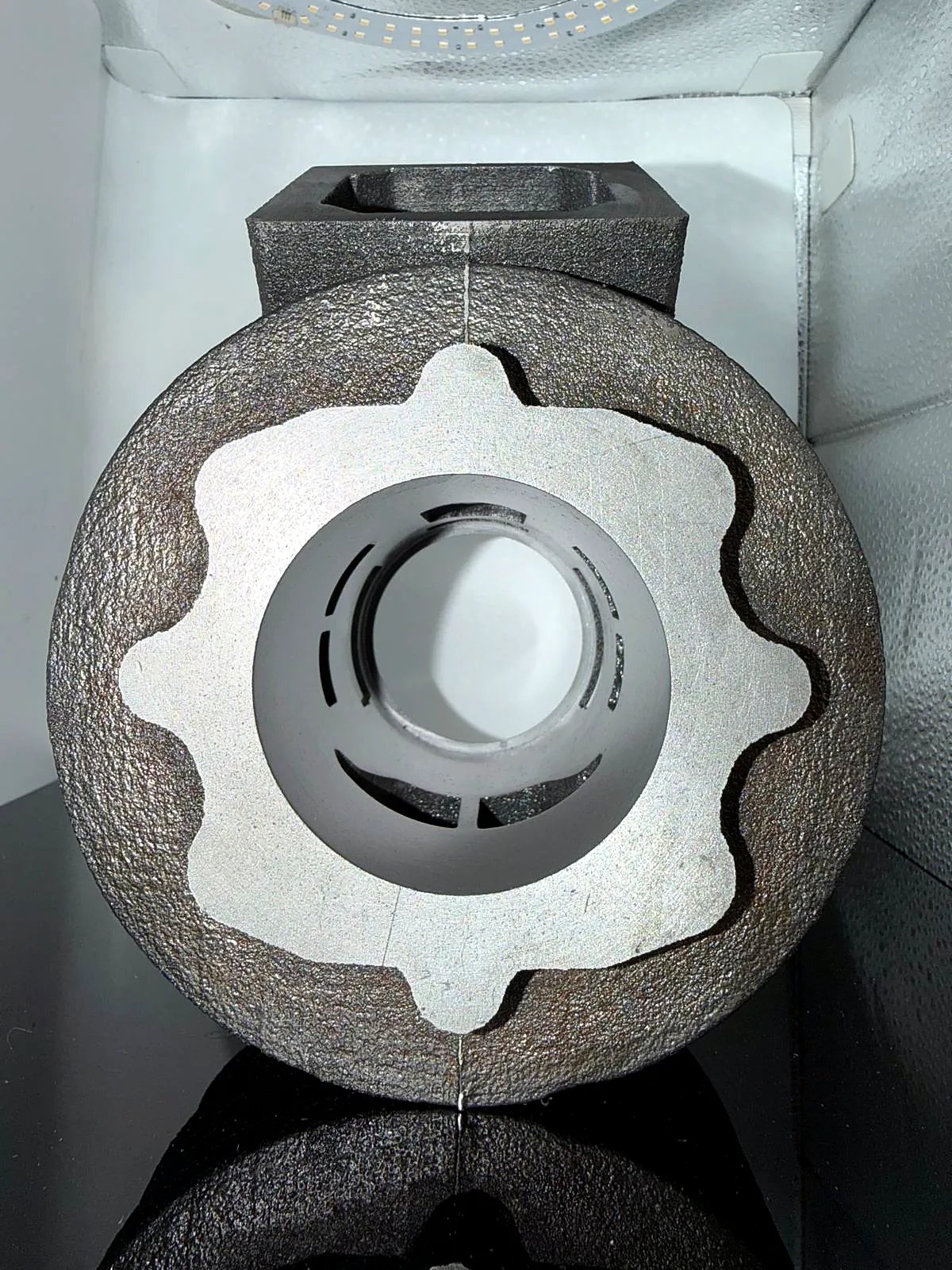
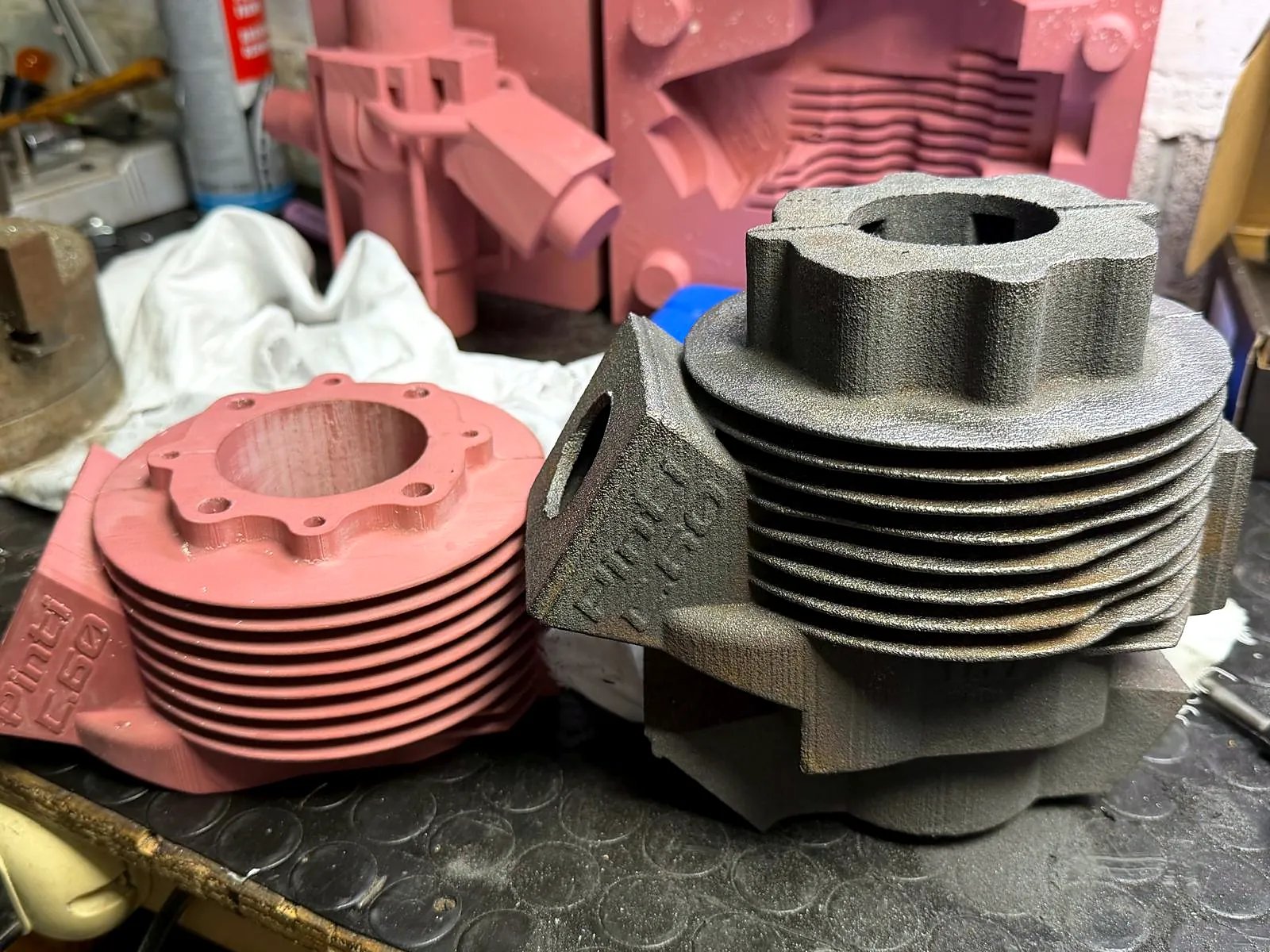
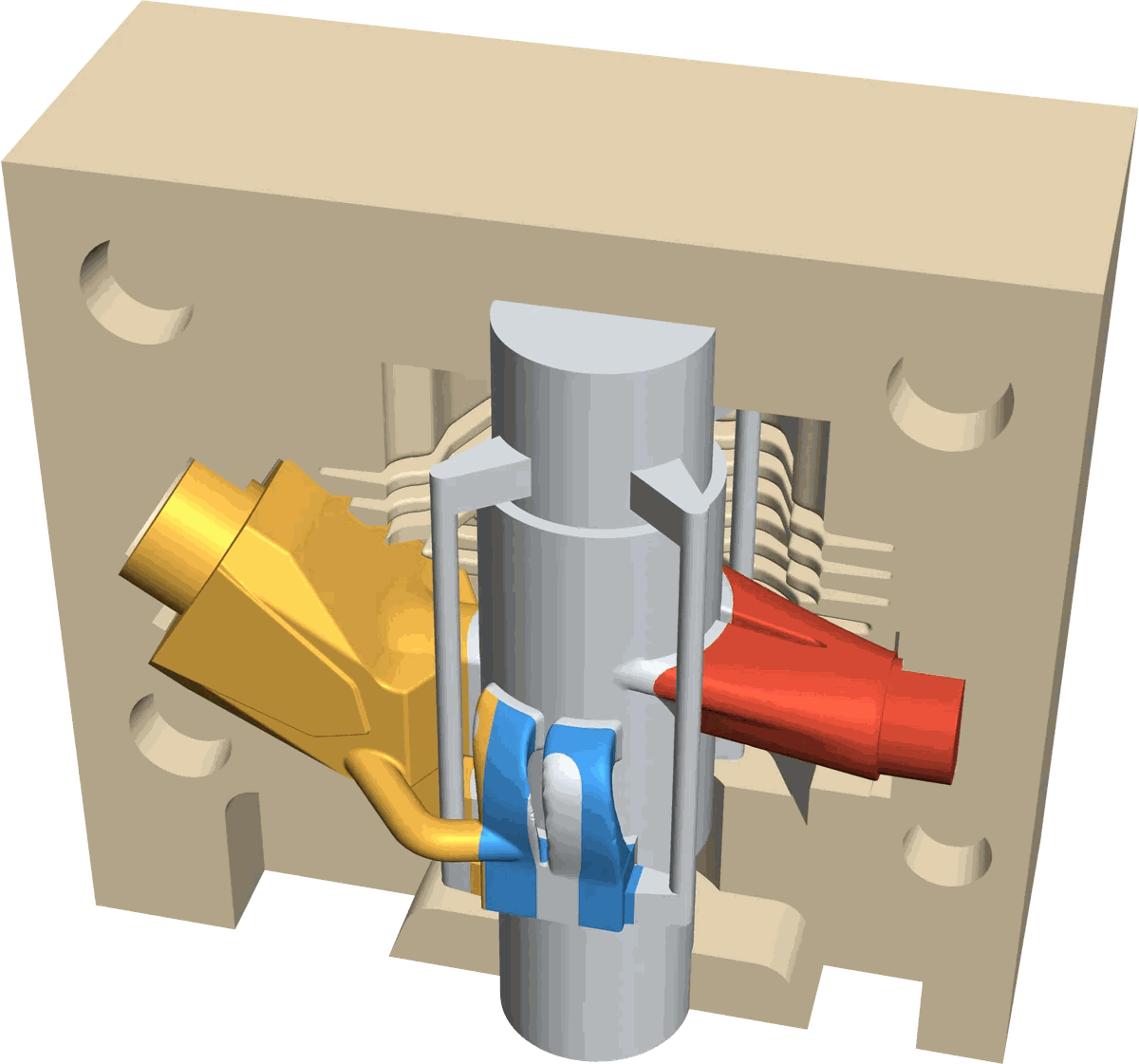
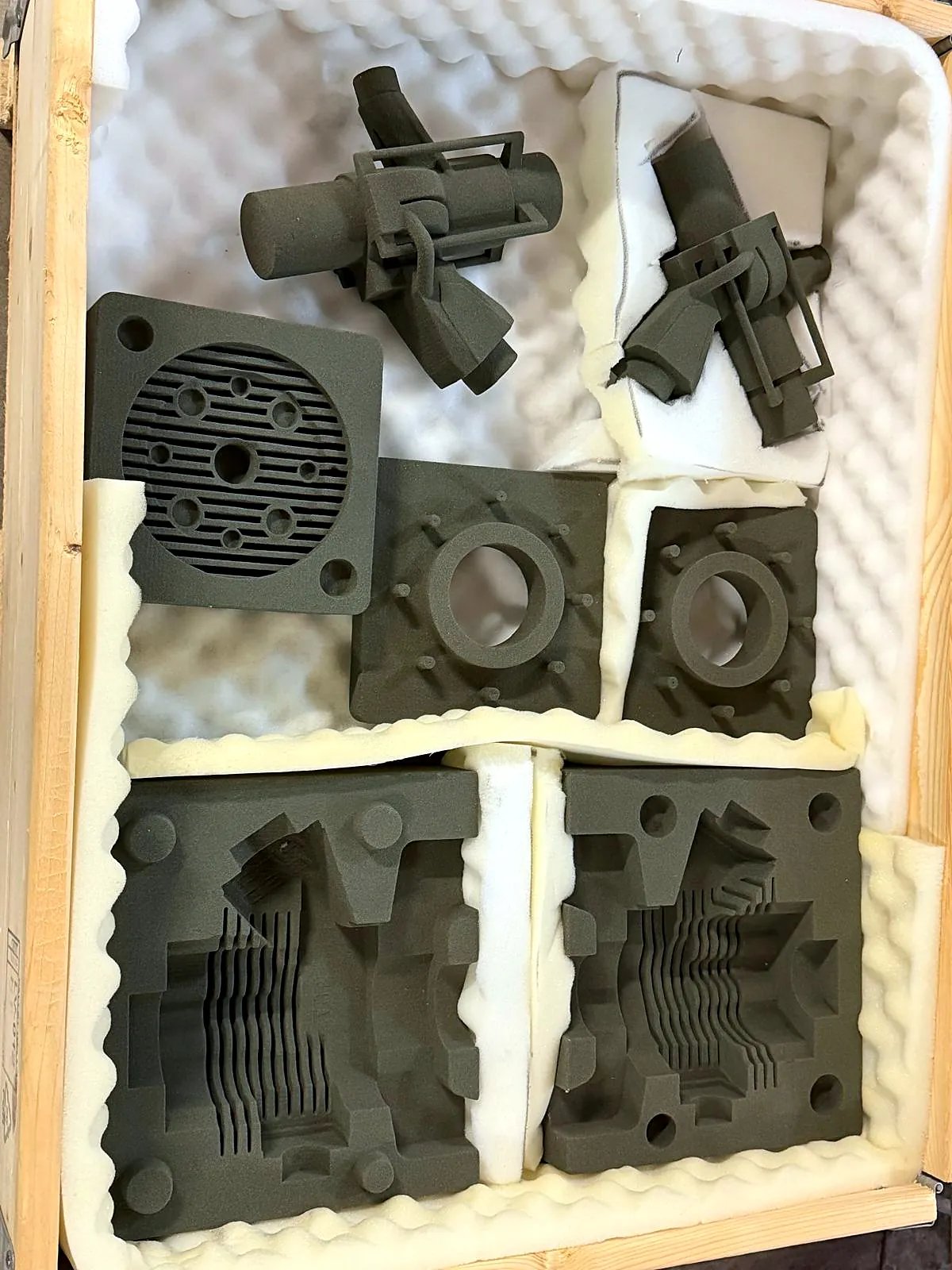
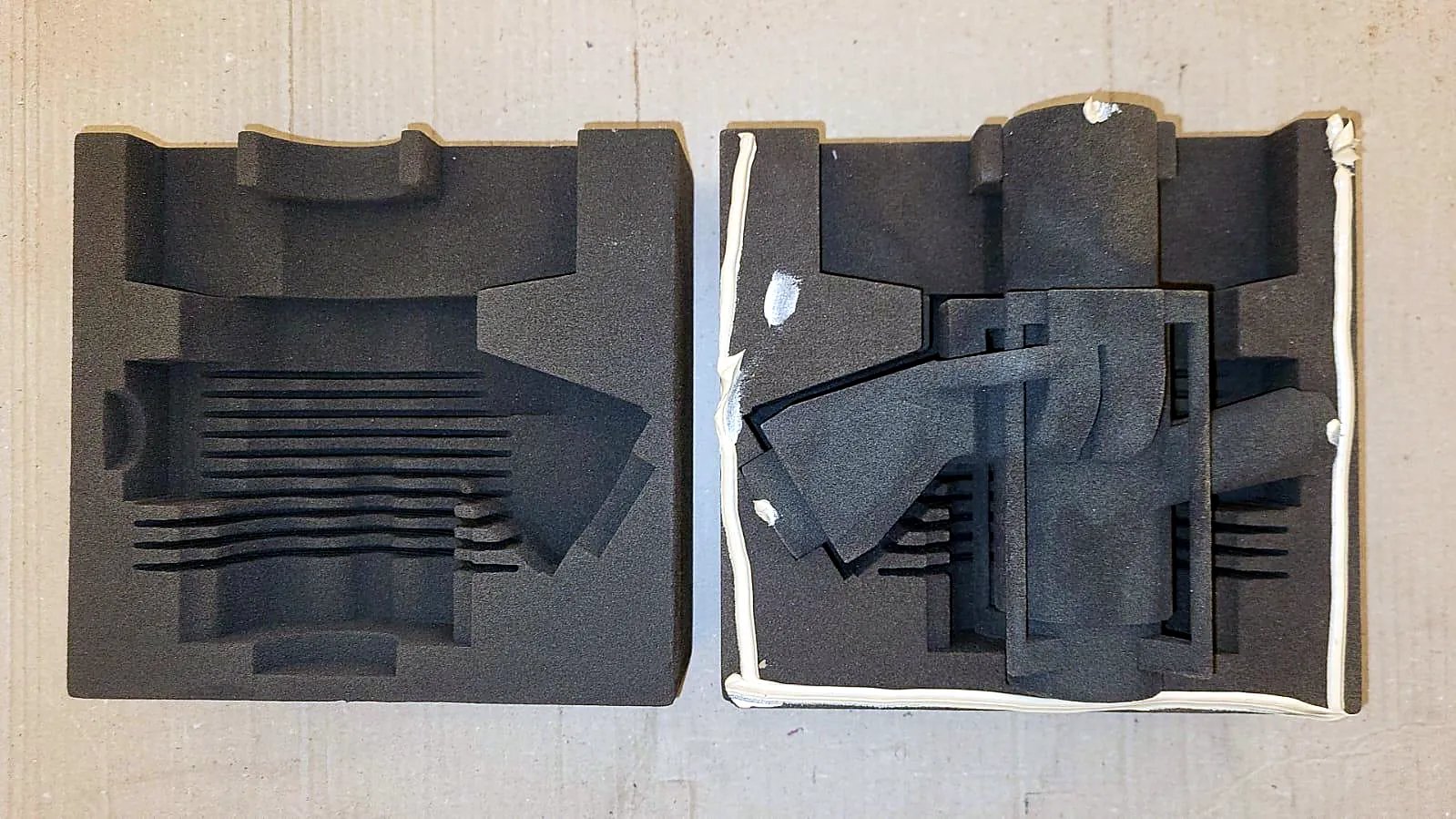
Molds and cores for pouring cylinders and parts in cast iron and aluminum.
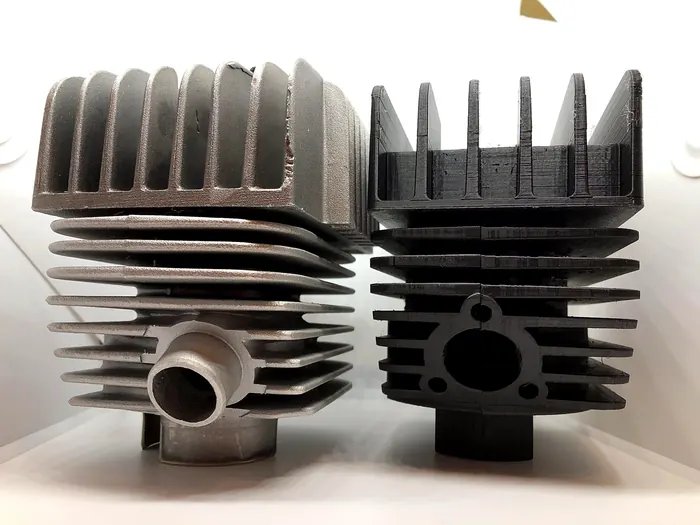
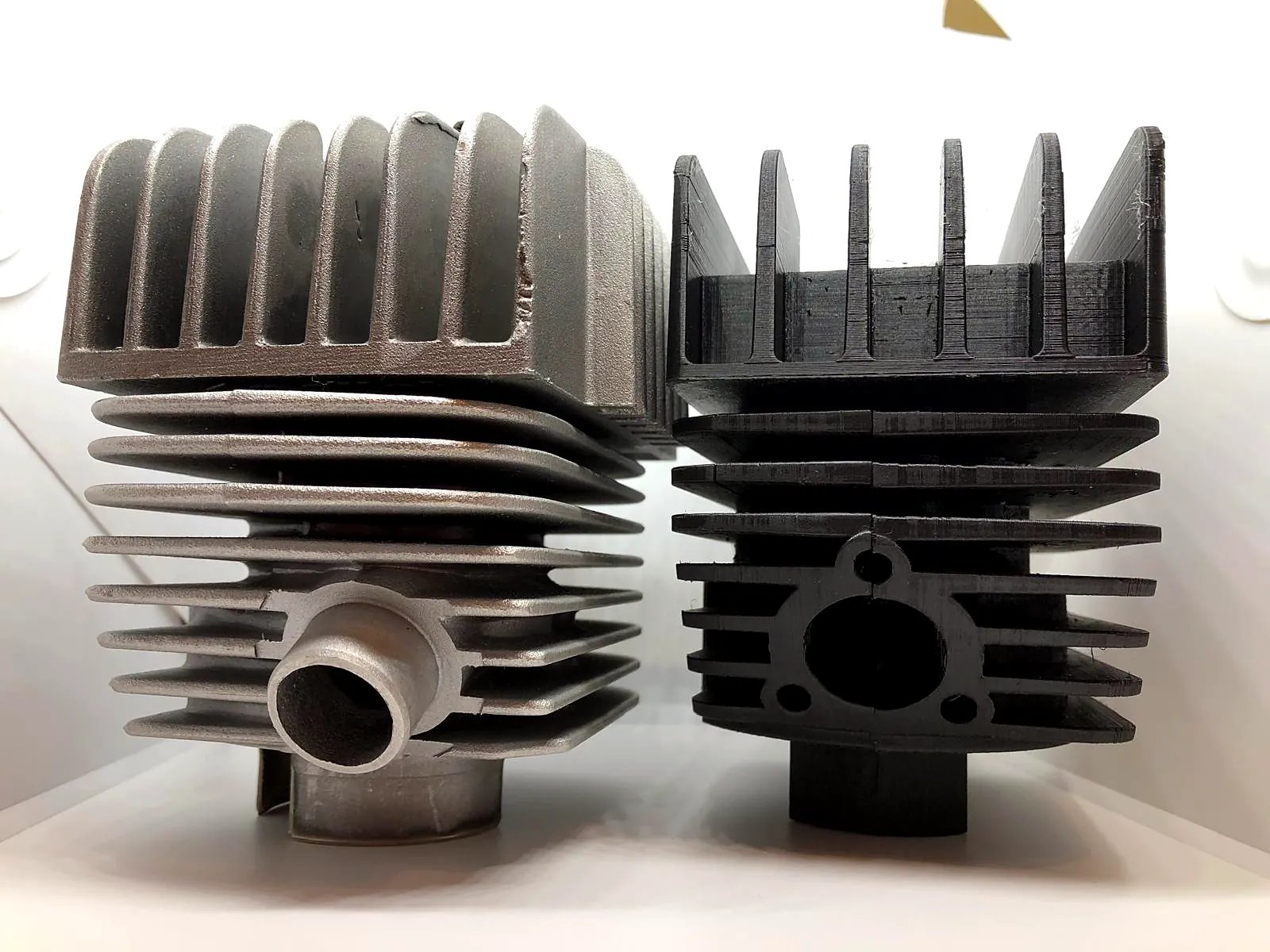
Two-stroke engines and cylinders for scooters, motorcycles, karts, motocross and classic bikes.
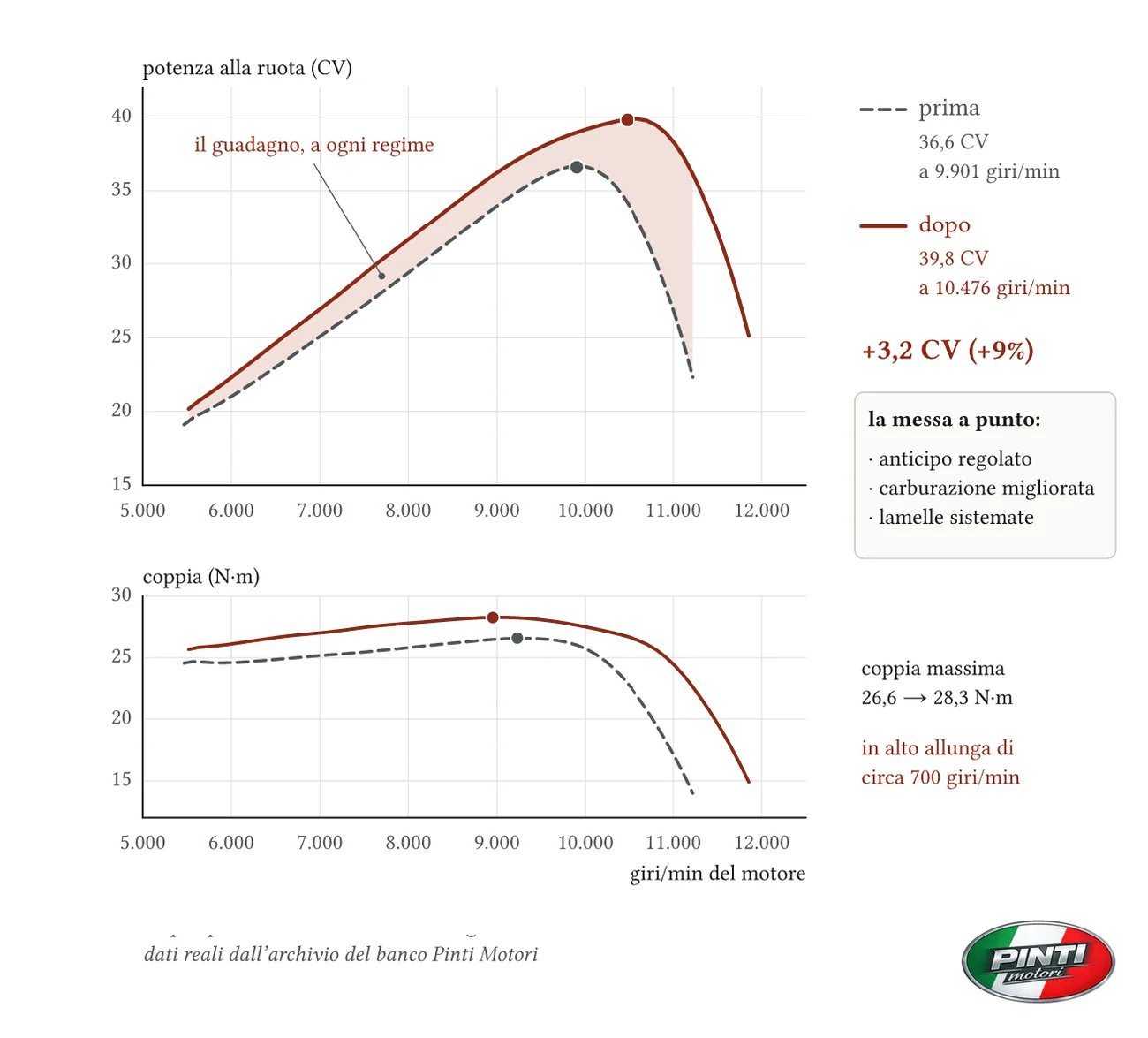
Power and torque curves on the dyno, before and after every change.
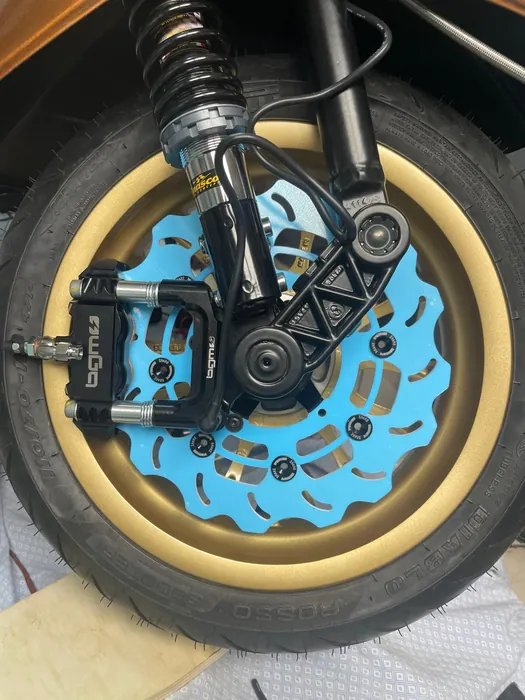
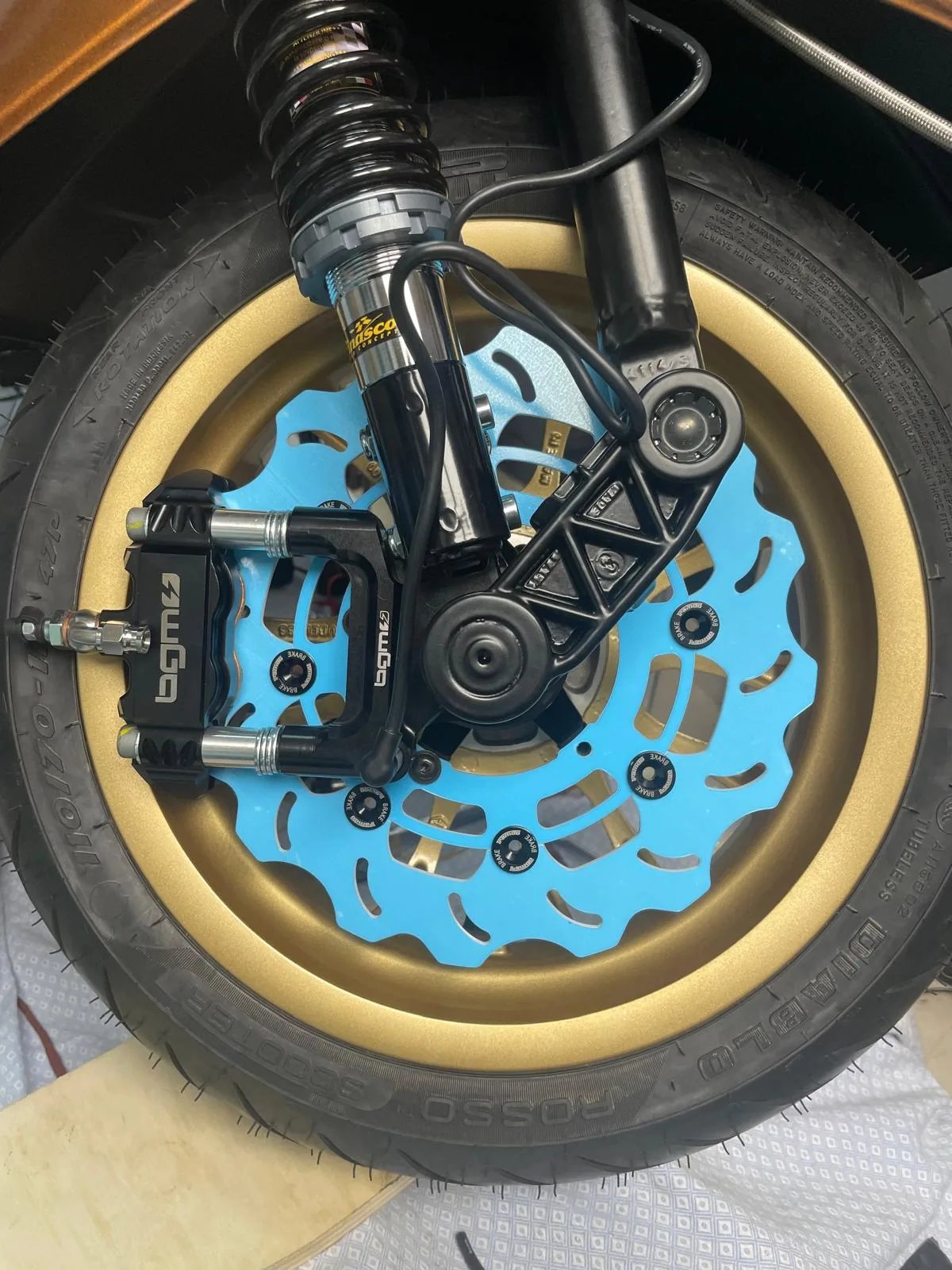
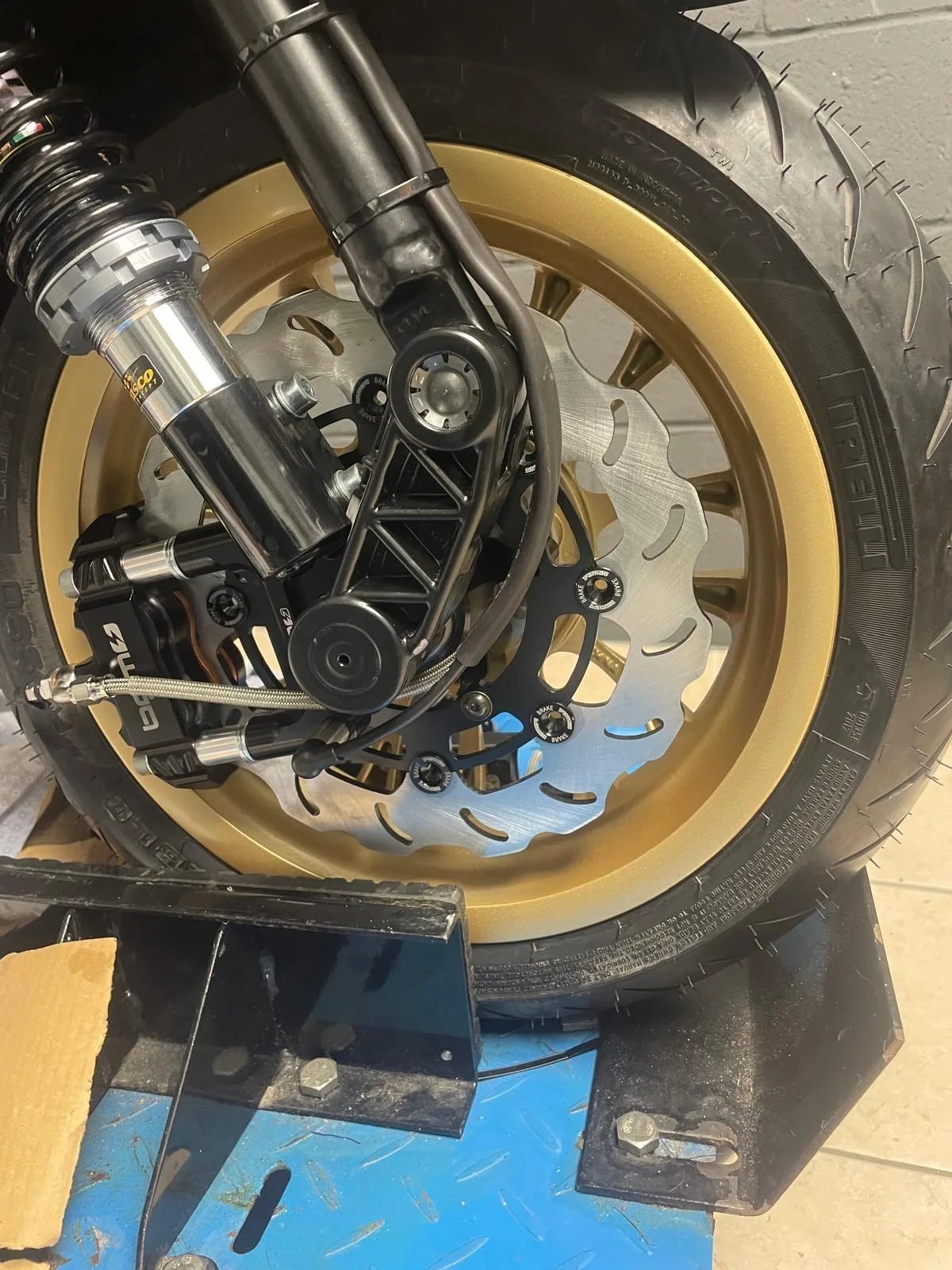
Brake discs designed in CAD and laser cut.
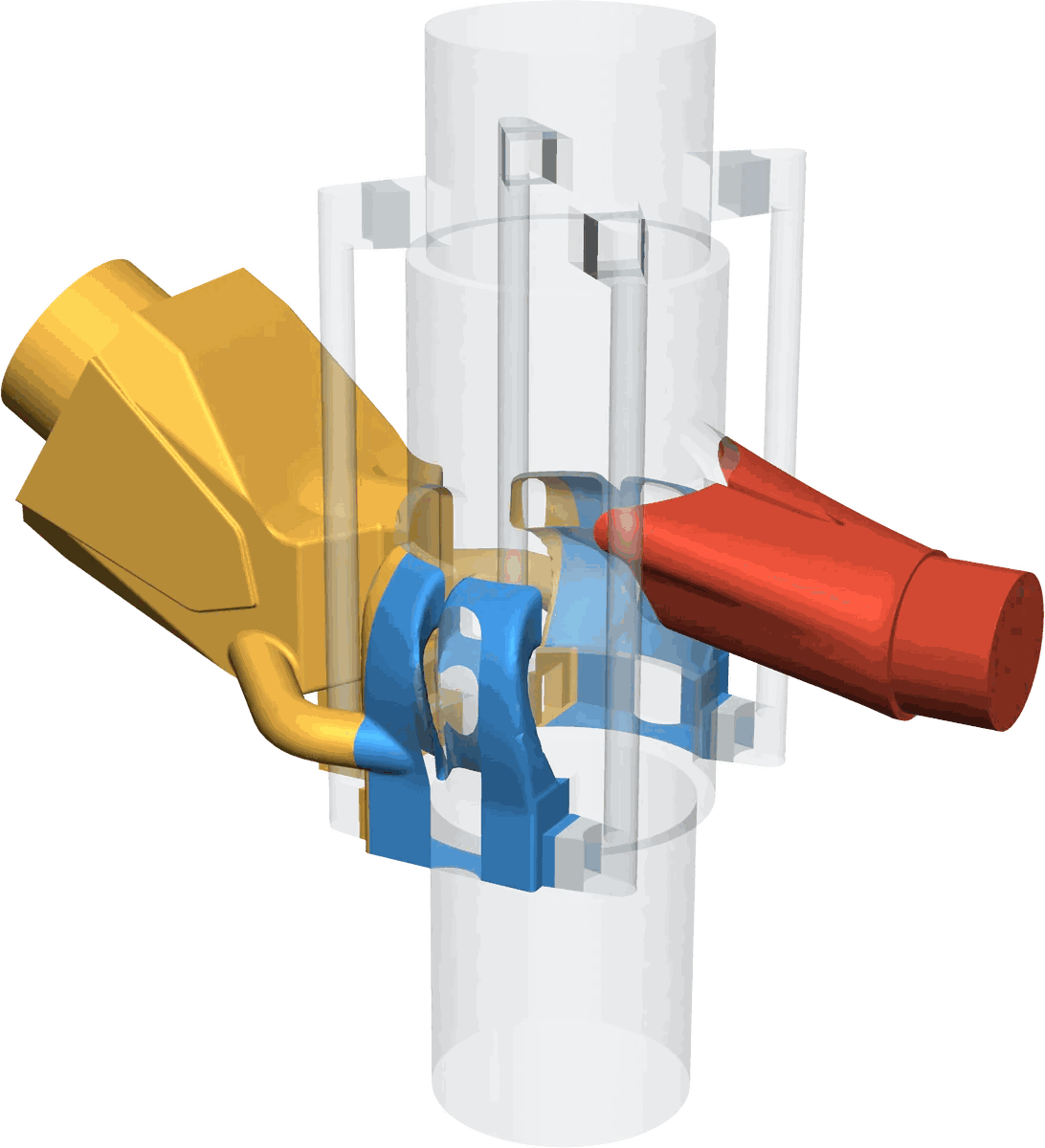
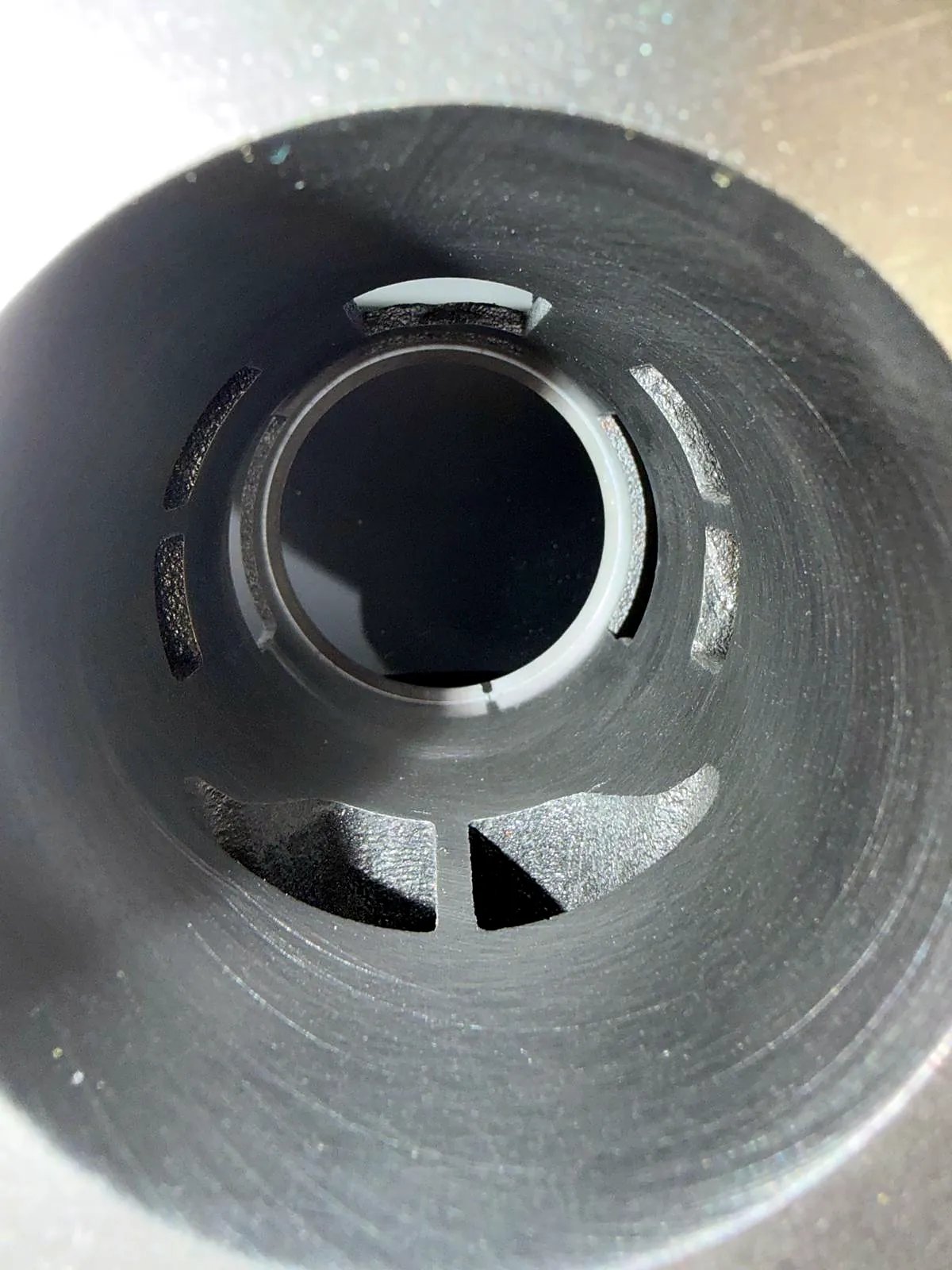
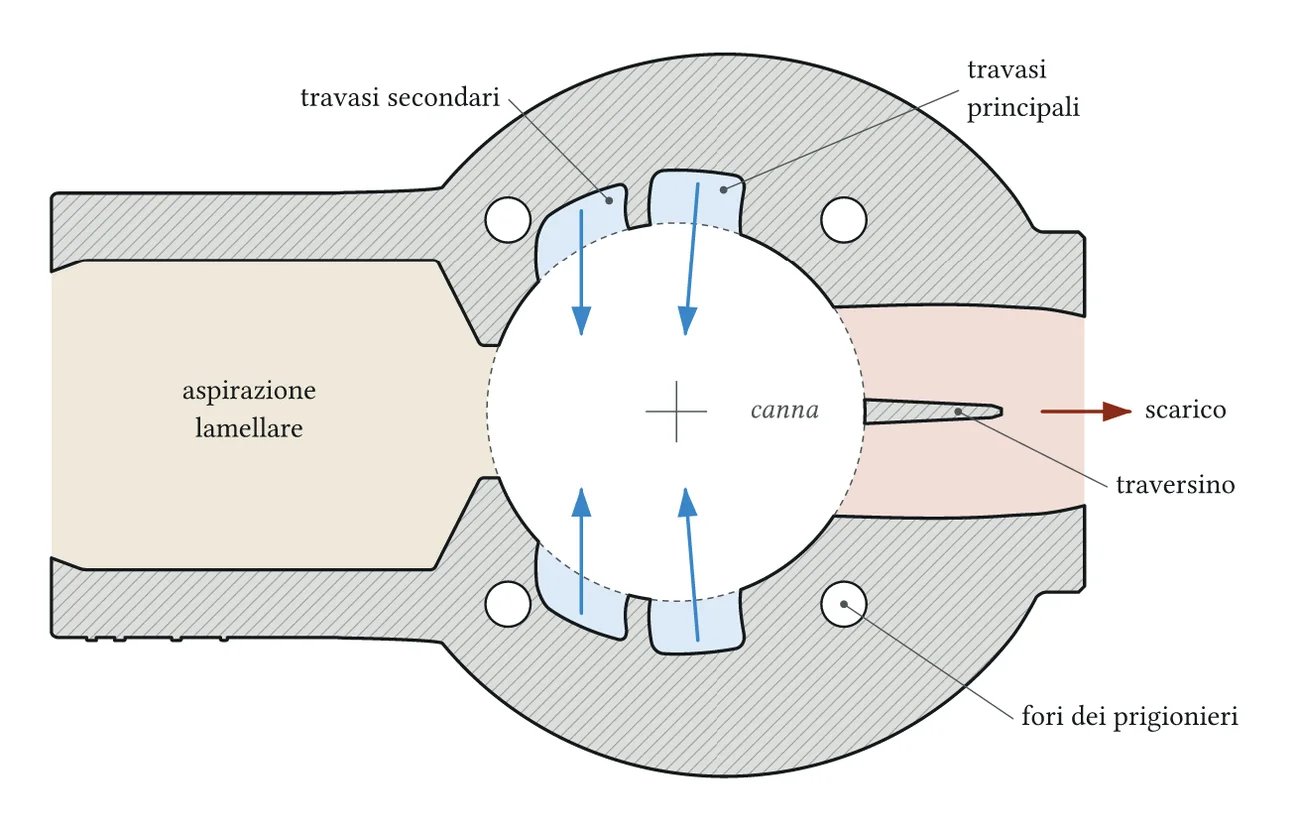
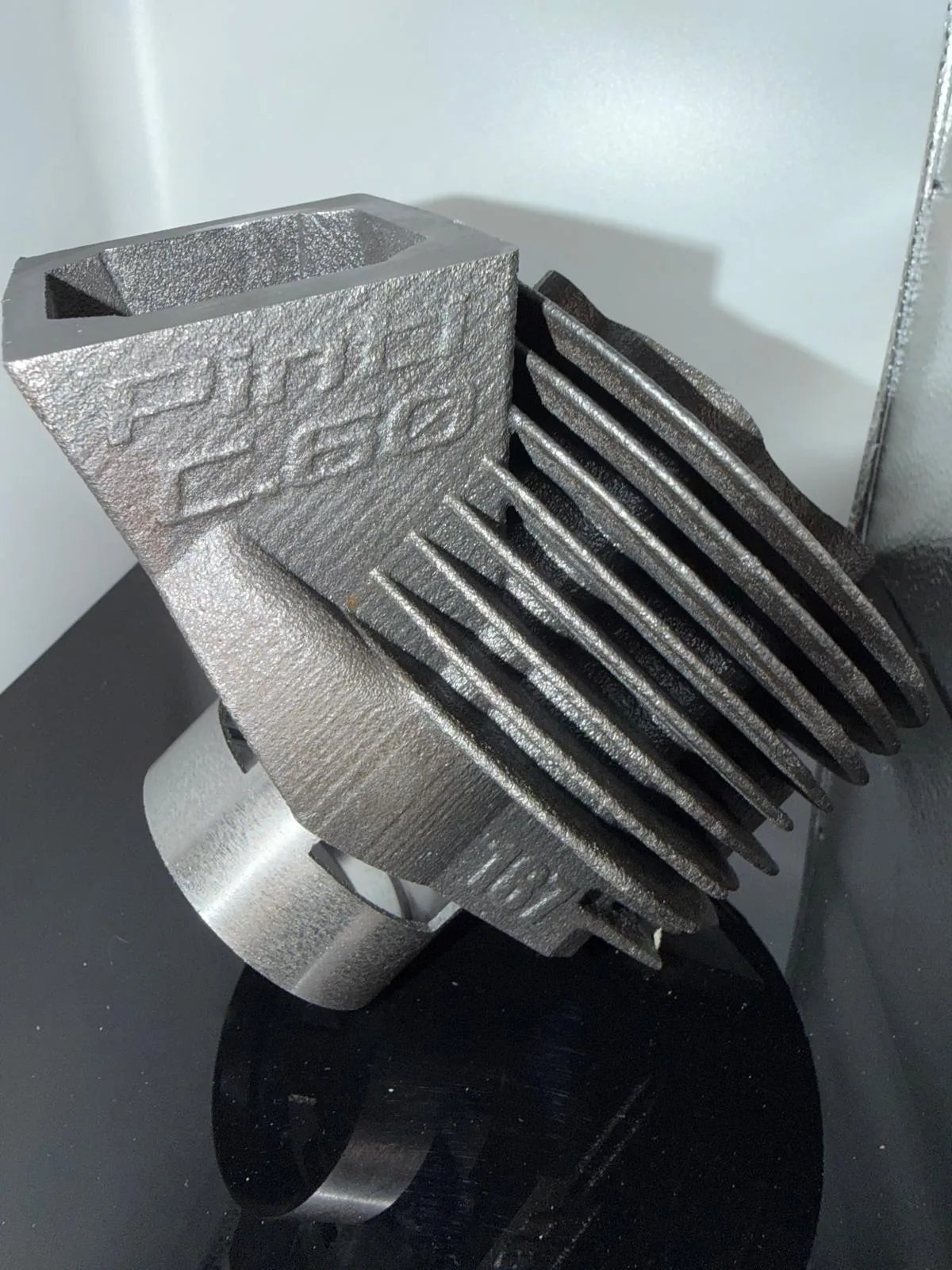
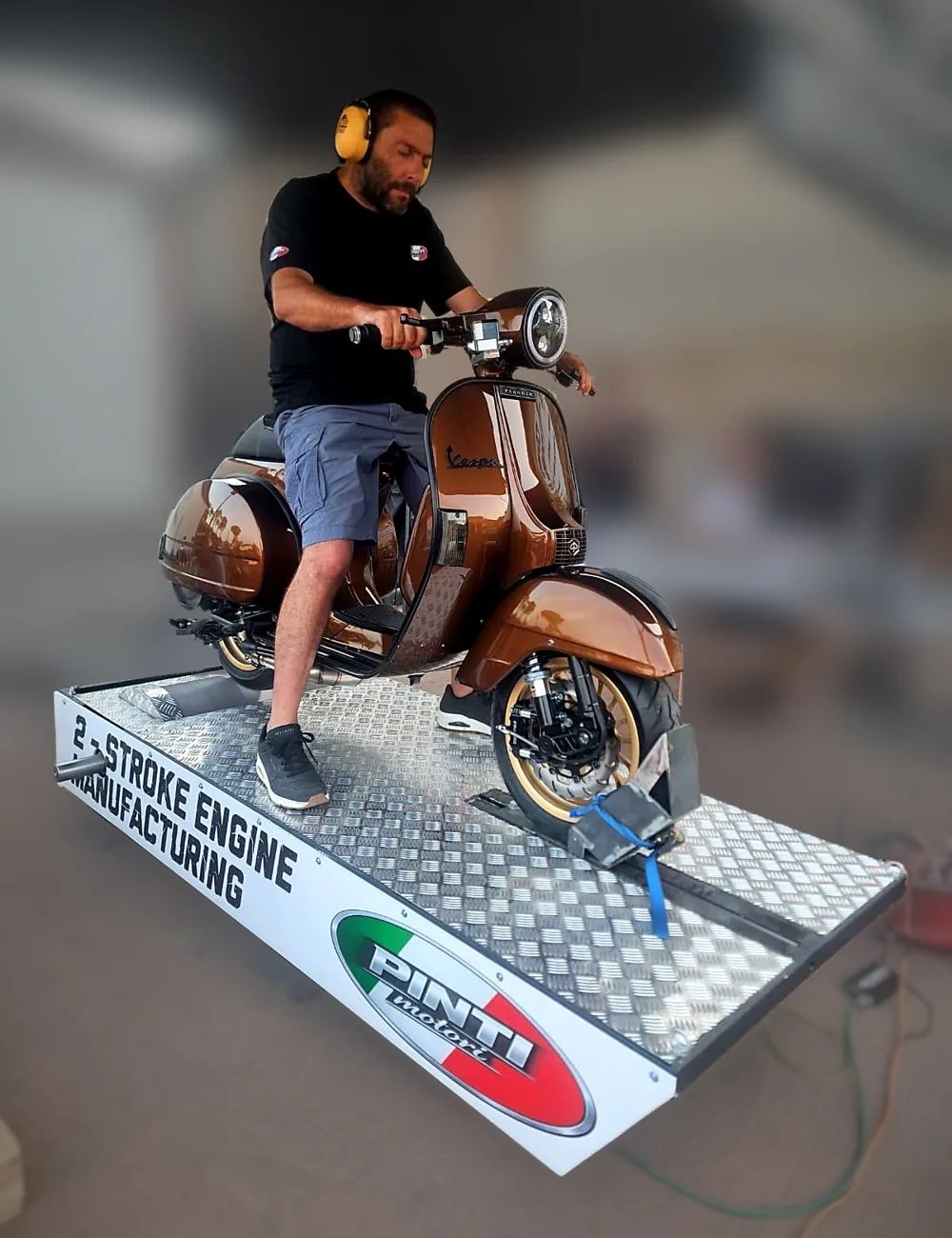
I call it the Wailing Wall.
Every engine ends up on the roller. The dyno measures the roller's speed and its acceleration and works out torque and power from them: no opinions, only curves.
Alongside: one engine on the same day, before and after tuning. From 36.6 to 39.8 PS (36.1 to 39.2 hp).
“The truth always has a number.”
Daniele Pinti, two-stroke engine designer and builder.
I started at eleven, getting an old Benelli running again when everyone had written it off. I have never stopped since. Today, after more than thirty years of workshop, foundry and dyno, I follow every engine from the first drawing to the last dyno run.
I draw cylinders and cylinder heads in CAD, make the patterns and cores for the foundry, cast in iron and aluminum, and check every result on my own dyno. Every change gets measured, because on the dyno “the truth always has a number.”